
AI Summary
Discover why a narrow waterway thousands of kilometres away can influence South African fuel prices, inflation and the cost of everyday living.
Imagine waking up in Johannesburg, Durban or Polokwane and paying more for petrol because something happened thousands of kilometres away.
It sounds impossible.
Yet it happens more often than most people realise.
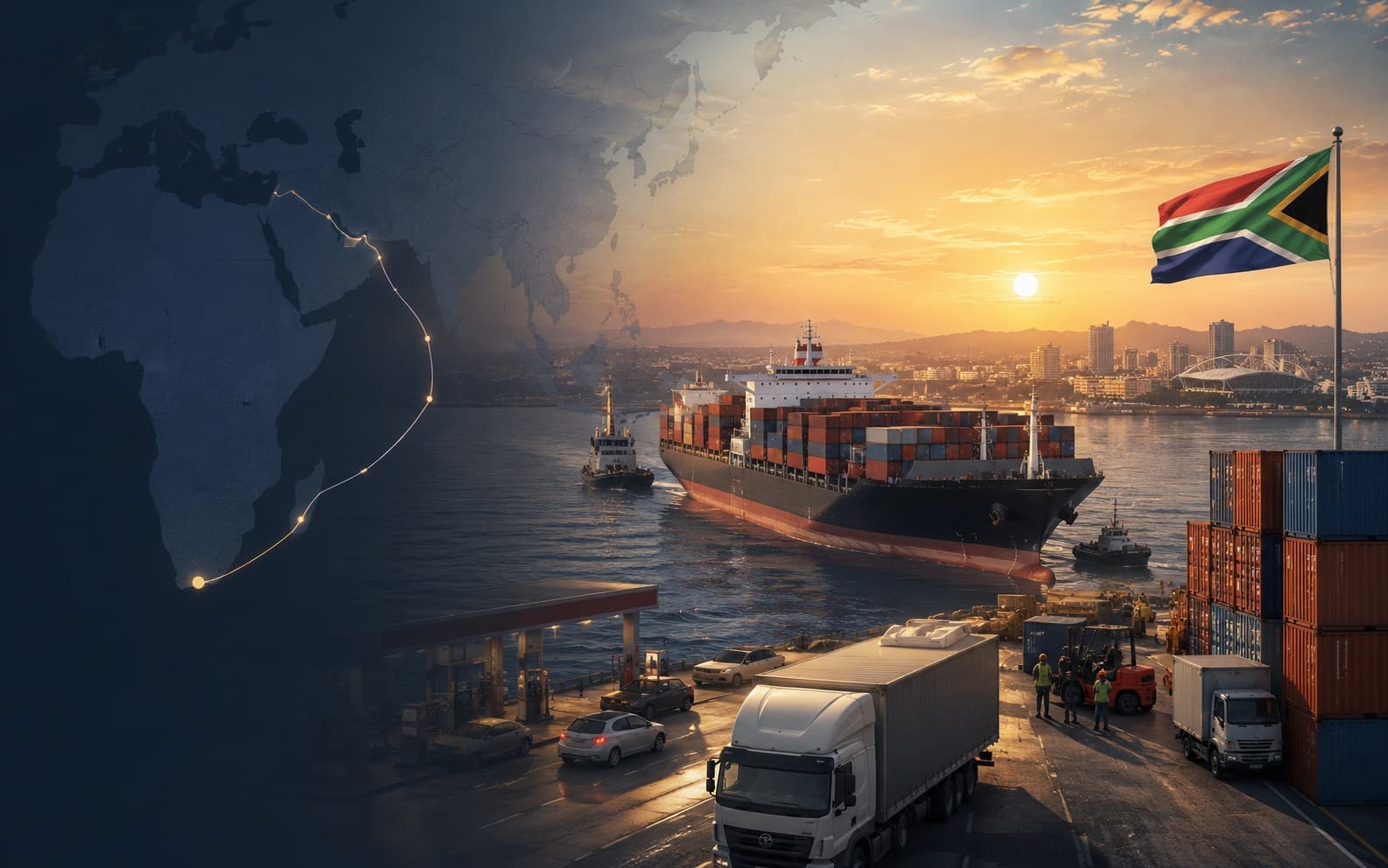
The Strait of Hormuz may be far from South Africa, but what happens there can eventually influence what we pay for fuel, transport, groceries and even everyday services.
Let's have coffee.
South Africa Doesn't Buy Oil There... So Why Does It Matter?
This is where many people get confused.
Even if South Africa buys oil from different countries, the global oil market is connected.
If ships struggle to pass safely through the Strait of Hormuz, oil becomes harder and more expensive to move around the world.
When global oil prices increase, South Africa usually feels the effects too.
That's why international events can eventually affect local fuel prices.
Read: What Is the Strait of Hormuz and Why Should South Africans Care?
Fuel Is Only the Beginning
Petrol and diesel don't just power cars.
They move trucks.
They transport food.
They deliver online shopping.
They help farmers run equipment.
They keep many businesses operating.
When fuel becomes more expensive, those higher costs often spread through the economy.
That's one reason inflation can rise.
What About Food Prices?
Think about a tomato grown in Limpopo.
Before it reaches your supermarket, it has travelled by truck.
If transport costs increase because fuel is more expensive, businesses often need to recover those costs somewhere.
Not every product increases immediately, but over time, many prices begin moving in the same direction.
It's not Just Oil
The Strait of Hormuz is one of the world's busiest shipping routes.
When uncertainty increases, shipping companies may pay more for insurance, reroute vessels or experience delays.
Even products that have nothing to do with oil can become slower or more expensive to move internationally.
Global trade is like a chain. When one important link is disrupted, many others feel the effects.
So Why Don't Ships Simply Take Another Route?
It's a reasonable question.
The answer is that alternative routes are often much longer, more expensive and not always practical.
Longer journeys mean more fuel, higher operating costs and delayed deliveries.
We'll explore that question in more detail in our next conversation.
Coming next: Why Can't Ships Simply Avoid the Strait of Hormuz? (Coming Soon)
Final Thoughts
The Strait of Hormuz isn't important because it's famous.
It's important because it reminds us that today's economy is connected.
A decision made thousands of kilometres away can eventually influence the price of filling your car, buying groceries or running a small business in South Africa.
Understanding those connections doesn't help us predict the future.
It helps us make better sense of the headlines when they arrive.
Continue the Conversation
What global event has made you wonder, "How does that affect me here in South Africa?"
Send us your question. It might become our next Let's Have Coffee conversation.
Related Articles
What Is the Strait of Hormuz and Why Should South Africans Care?
Why Can't Ships Simply Avoid the Strait of Hormuz? (Coming Soon)
How Can One World Leader Affect the Price of Bread in South Africa? (Coming Soon)
Why Do Global Events Cause Inflation? (Coming Soon)

Creative Strategist at Chesly.Tech.