
AI Summary
BRICS appears in economic and political news almost every week, but what is it really? Here's a simple explanation of why it exists and why South Africans should care.
Turn on the news and you'll probably hear the word BRICS.
Politicians talk about it.
Business leaders talk about it.
Economists debate it.
But if someone stopped you today and asked, "What is BRICS?", could you explain it?
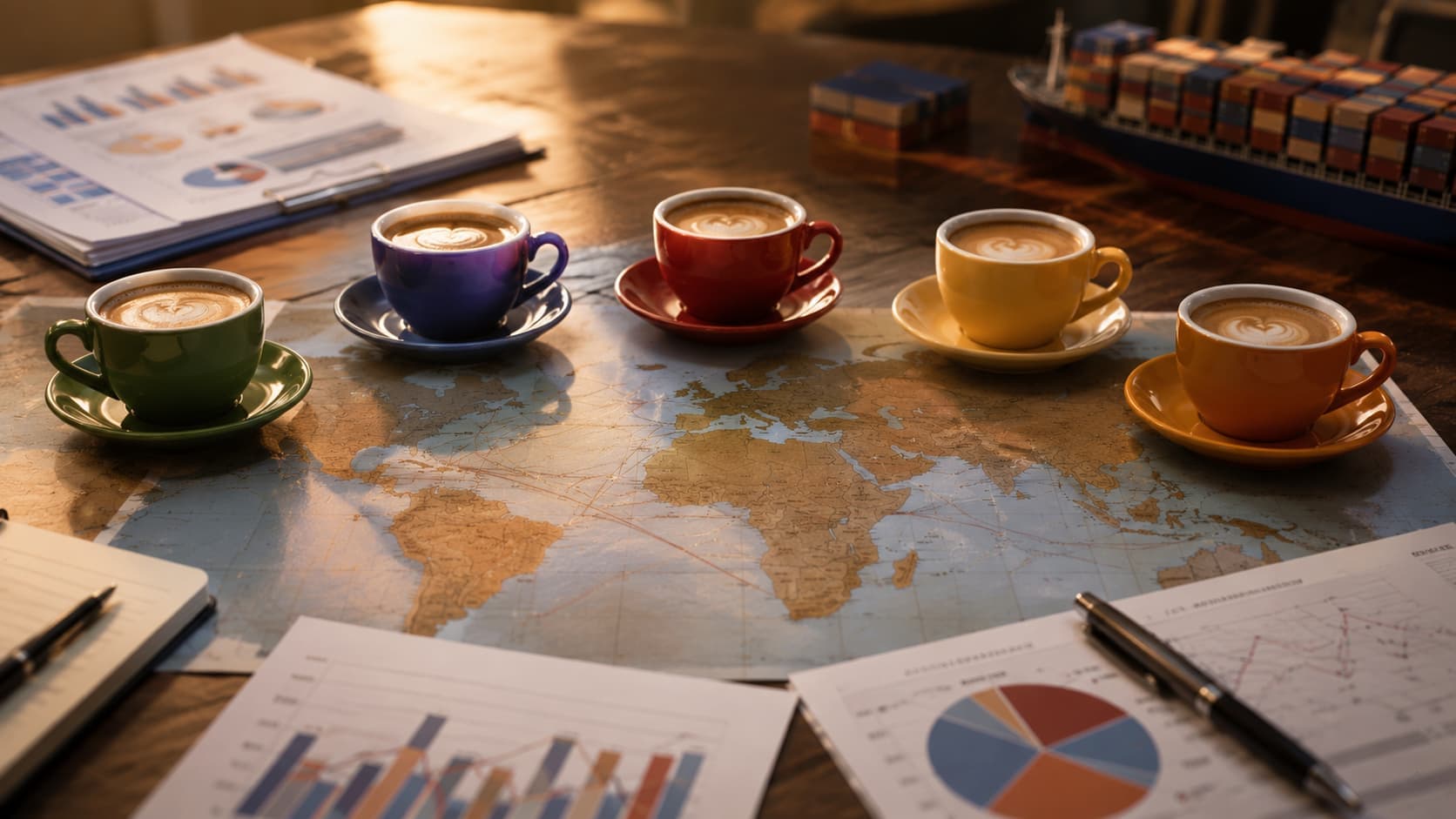
Let's have coffee.
It started with a simple idea
BRICS isn't a country.
It isn't a bank.
It isn't a replacement for the United Nations.
It's a group of countries that believe they can achieve more by working together on trade, investment and global economic issues.
The original members were Brazil, Russia, India, China and South Africa.
Over time, more countries have joined or expressed interest in joining.
Why was BRICS created?
Imagine you're part of a school where five students always make the important decisions.
The rest of the class begins asking a simple question.
"Shouldn't more people have a say?"
That's one way to understand BRICS.
Many emerging economies wanted a stronger voice in how global finance, trade and development are discussed.
Instead of relying only on institutions and systems created decades ago, they wanted to build stronger partnerships among themselves.
Why is South Africa part of it?
South Africa may have a smaller economy than some other BRICS members, but it plays an important role on the African continent.
Membership gives South Africa opportunities to strengthen trade, attract investment and participate in conversations about the future of the global economy.
That doesn't mean every decision benefits South Africa automatically.
Like any partnership, there are opportunities, challenges and different opinions.
Why does BRICS keep appearing in the news?
Because the world economy is changing.
Countries are exploring new trade agreements.
New investment opportunities are emerging.
Technology is reshaping finance.
Digital currencies are being discussed.
Global supply chains continue to evolve.
Whenever those conversations happen, BRICS is often part of them.
Does BRICS affect my everyday life?
Not directly.
You won't wake up tomorrow because of BRICS and suddenly pay less for groceries.
But decisions about trade eventually affect businesses.
Businesses affect jobs.
Jobs affect families.
Families affect communities.
Whether you own a manufacturing business in Germiston or a spaza shop in Thulamahashe, changes in international trade eventually ripple through South Africa's economy.
Final thoughts
BRICS isn't something to fear or celebrate blindly.
It's something to understand.
The more you understand how countries work together, the easier it becomes to make sense of the economic headlines you hear every day.
And one question naturally follows.
If countries are working together more closely, could they one day trade without relying so heavily on the US dollar?
Related articles
Why are some countries trying to use fewer US dollars? (Coming Soon)
If the US dollar lost its power, what would change for South Africans?
What is the Strait of Hormuz and why should South Africans care?

Creative Strategist at Chesly.Tech.