
AI Summary
Technology has transformed the traditional office into something far more flexible. Discover why today's entrepreneurs can work from almost anywhere and what it means for the future of business.
The Mobile Office: Why Your Business No Longer Needs Four Walls
For decades, owning or renting an office was considered a sign that a business had "made it." Companies invested in office buildings, reception areas, boardrooms and rows of desks because that was simply how business was done.
Today, that idea is changing.
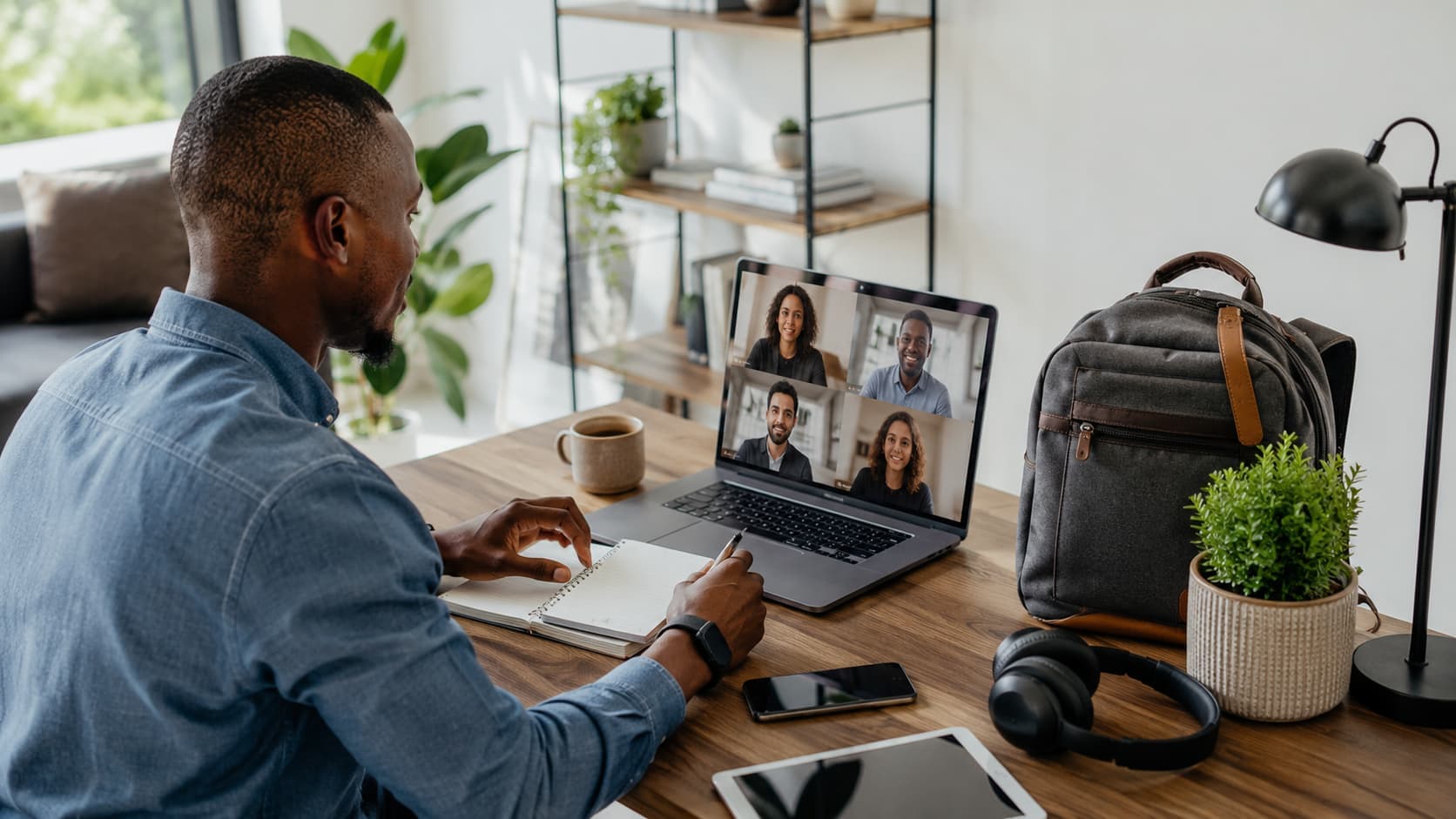
For many entrepreneurs, consultants and freelancers, the office is no longer a building. It's a laptop, a smartphone and a reliable internet connection.
Technology Changed the Rules
The rise of cloud computing, online banking, digital signatures and video conferencing has made it possible to run an entire business from almost anywhere.
Documents live in the cloud instead of filing cabinets. Meetings happen over Microsoft Teams or Zoom. Invoices are sent electronically, and payments arrive without anyone stepping into an office.
The result is a business environment where location matters less than productivity.
Your Office Can Be Anywhere
Today's business owners might start their day at home, meet a client in a coffee shop, visit a supplier in the afternoon and finish replying to emails while travelling.
The workplace has become mobile, allowing entrepreneurs to work wherever opportunities arise.
Home offices
Coffee shops
Co-working spaces
Client premises
Airport lounges
Hotels while travelling
Small Businesses Benefit the Most
One of the biggest advantages of a mobile office is reduced overhead costs.
Instead of paying for expensive office space, many businesses invest in better equipment, faster internet, software subscriptions and marketing.
That allows startups to remain lean while still presenting a professional image to clients.
AI Is Becoming Part of the Office
Artificial intelligence is also changing the way people work.
Business owners now use AI to draft emails, create presentations, analyse data, generate marketing content and automate repetitive tasks.
Instead of replacing the office, AI is becoming another member of the team—helping entrepreneurs work faster and make better decisions.
Flexibility Is the New Competitive Advantage
Modern customers care more about responsiveness and service than where your desk is located.
Businesses that embrace flexible working often respond faster, adapt more quickly and reduce unnecessary operating costs.
That flexibility has become one of the biggest competitive advantages available to small businesses.
Challenges Still Exist
A mobile office also requires discipline.
Reliable internet, cybersecurity, data backups and clear communication become even more important when teams are working from different locations.
Successful mobile businesses invest in the right technology and processes to stay connected and organised.
Looking Ahead
The traditional office isn't disappearing, but its role is changing.
Many organisations are adopting hybrid working models that combine office collaboration with the flexibility of remote work, recognising that different tasks are best suited to different environments.
The future belongs to businesses that can adapt, collaborate digitally and deliver value regardless of where their employees happen to be working. Recent studies suggest that hybrid work remains a long-term feature of many organisations, even as policies continue to evolve.
Related Articles
The Coffee Shop Boardroom: Why South Africans Are Rethinking Business Meetings
How to Register on the CIDB and Start Winning Construction Tenders (Coming Soon)
What Is Purchase Order Funding? A South African Business Owner's Guide
The future of business is no longer tied to a physical office. It's built on flexibility, technology and the ability to work wherever opportunity takes you.

Creative Strategist at Chesly.Tech.