
AI Summary
Every generation fears new technology will destroy music. From radio to music videos and now AI, history suggests the story is more complicated than it first appears.
AI music platforms like Suno and Udio have sparked a heated debate. Some believe they're destroying the music industry, while others see them as the next step in its evolution.
Perhaps we're asking the wrong question.
Every generation has believed new technology would be the end of music.
We've Heard This Before
People questioned electric guitars. Then synthesizers. Then music videos. Radio was accused of killing live performances, while streaming was blamed for ending album sales.
Music survived every one of those changes.
It simply evolved.
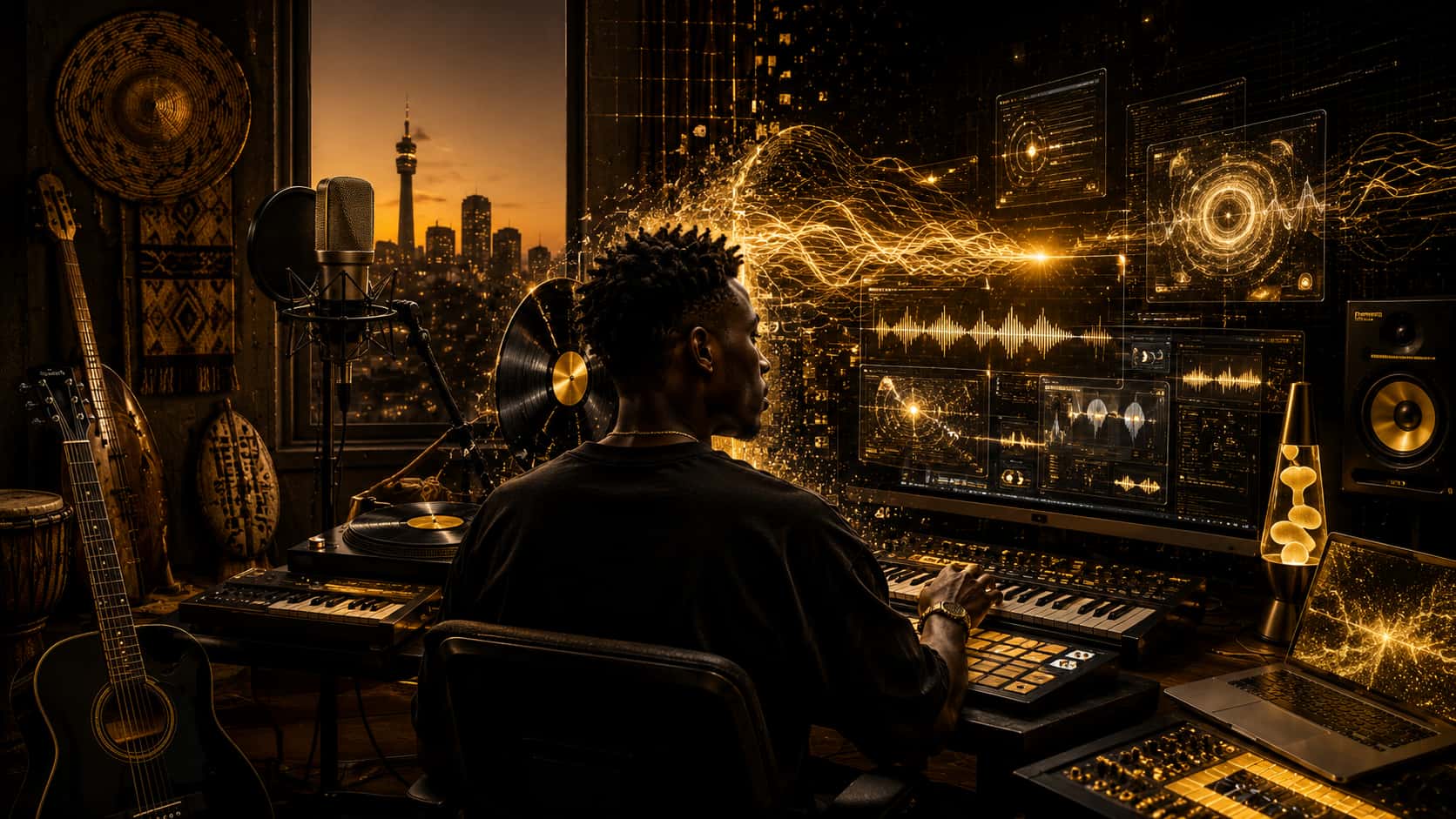
AI Is Another Instrument
AI can write lyrics, generate melodies and produce complete songs within minutes. That worries many musicians, especially those concerned about originality and copyright.
But AI doesn't replace emotion, experience or culture. It generates patterns. People create stories.
A South African Perspective
Kwaito grew from township culture. Amapiano emerged from local producers experimenting with new sounds in Gauteng. Tsonga music, Maskandi and modern Zulu music continue to evolve because artists embrace new tools without losing their identity.
AI could become another tool in that journey—not the destination.
💡 Chesly Insight
Technology rarely kills creativity. It changes how creativity is expressed. The artists who adapt usually shape the next generation of music.
The Bottom Line
There may never be a right answer.
AI will undoubtedly change how music is made, just as every major innovation has before it. The real question isn't whether AI will replace musicians, but whether musicians will learn to use AI while keeping the human stories that listeners connect with.
Try It With Your Own Business
Use the 50 AI Prompts for South African Entrepreneurs as a free starting point for planning, marketing, customer communication and everyday business tasks.
Part of the Series: Ai Music
- 01Can AI Be Creative, or Is It Just Copying Us?
- 02Can Artificial Intelligence Create the Next Amapiano Hit?
- 03Is AI Music Killing the Industry? Or Is History Repeating Itself? (you are here)

Creative Strategist at Chesly.Tech.